

ANALYSIS
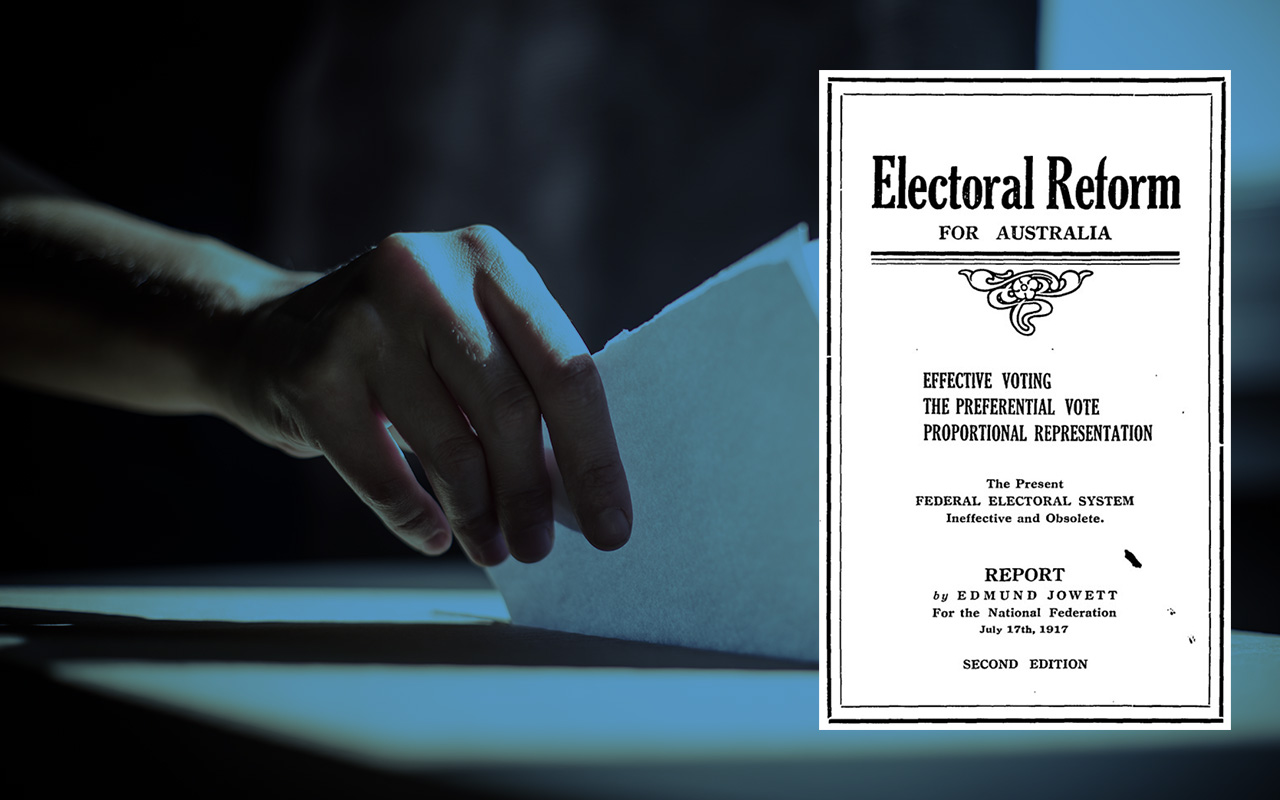
THE Commonwealth Electoral Act was comprehensively rewritten in 1918 to introduce preferential voting, replacing the previous “first past the post” system that had existed in the years after Federation.
The change was in response to the rise of the Country Party in the aftermath of the First World War – a third major party – and the prospect of the loss of seats to Labor through a split in the non-Labor vote.
The three-party system which preferential voting helped to support has remained fundamentally unchanged to this day.
The system has also encouraged the participation in elections of minor candidates that have little chance of winning, but that can potentially influence the outcome by directing preferences according to their values.
Instrumental to the success of a candidate can be the careful consideration of preferences on the candidate’s how-to-vote card to attempt to gain the greatest advantage possible.
You don’t need to go back too far in the history of Mornington Peninsula elections to see the impact preferences can have.
In the 2025 federal election, Labor’s Sarah Race came second in the first preference voting, but was overtaken by independent Ben Smith once preferences were worked through.
This doesn’t mean that Smith managed to outmanoeuvre Race by smart preference deals. Indeed, his how to vote card did not indicate where voters should put their preferences. Smith asked for them to vote for him as number one and then number the rest accordingly.
This may have been vindication against the persistent criticism that he would preference Labor or the Greens, but did not appear to be detrimental to his cause in the long run, overtaking Race.
Fast forward to the Nepean by-election, where eight candidates are standing: Darren Hercus (One Nation), Reade Smith (Sustainable Australia Party), Sianan Healy (The Greens), Anthony Marsh (Liberal Party), Milton Wilde (Reform AU), Peter Angelico (Libertarian), Tracee Hutchison (Independent), and Renee Thompson (Legalise Cannabis Victoria).
Seven of the eight candidates running have lodged their how to vote cards with the Victorian Electoral Commission, with only Wilde not having lodged one.
Wilde told The News his campaign would not be issuing a formal how to vote card, asking voters to make their own informed choices and to number preferences in the order that best reflects their values, rather than following a party “ticket”.
Three candidates: independent Hutchison, Legalise Cannabis Victoria’s Thompson and Sustainable Australia Party’s Smith have declined to give preference instructions. Instead they have asked voters to put a “one” against their name and to ensure that all other boxes are numbered according to the voter’s preferences.
Liberal candidate Marsh has placed Libertarian Angelico second, One Nation’s Hercus third and independent Hutchison fourth.
This is followed by Thompson, Smith, Wilde and The Greens candidate Healy last.
The Libertarians didn’t repay the Liberal Party’s favour of second preference, placing Hercus second on their ticket. This was followed by Marsh, Smith, Thompson, Wilde and independent Hutchison last.
One Nation’s Hercus did repay the Libertarian’s favour, by putting them second on his how to vote card. That was followed by Marsh, Wilde, Smith, and Thompson.
In seventh place was independent Hutchison, with the final spot reserved for The Greens’ Healy.
Perhaps the most surprising of all is The Greens’ how to vote card with Healy placing Hutchison second, Thompson third, and the Liberal Party’s Marsh fourth.
Following Marsh, in order, are Smith, Angelico, Wilde and One Nation’s Hercus last.
It is an indication of the political landscape in the Nepean by-election that left party The Greens think the Liberal Party are only the third worst option after them, in a field of eight.
The how to vote cards for each candidate can be viewed at: vec.vic.gov.au/voting/current-elections/nepean-by-election/how-to-vote-cards
First published in the Mornington News – 28 April 2026
