

MORNINGTON Peninsula Shire has gone three years without a planning policy which was only made available to the public just hours before councillors endorsed it, sparking transparency concerns.
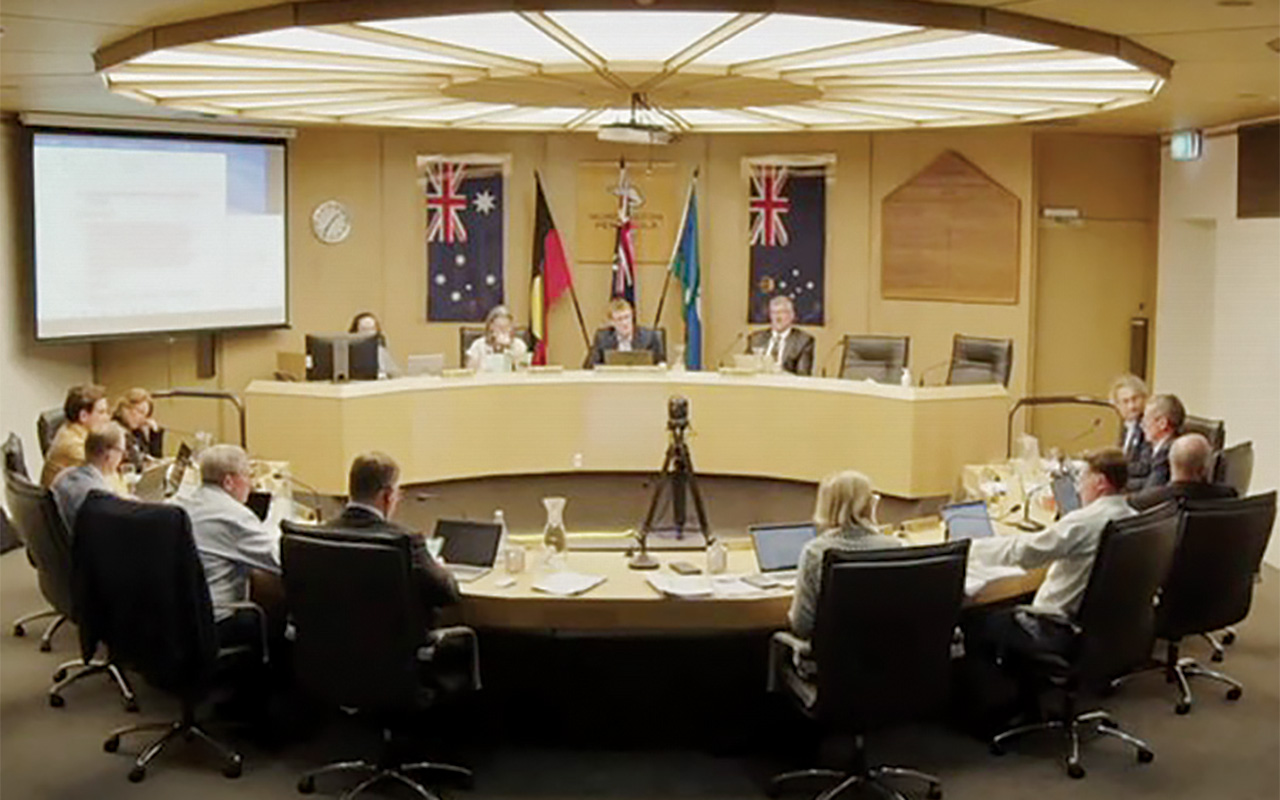
The long-awaited planning matters policy, which is designed to provide a clear framework for “consistent, lawful, efficient, transparent and best practice approach” to decision making in both statutory and strategic planning matters, was endorsed by councillors in an 8-3 vote at their 5 November meeting.
It will now replace the now discontinued planning services committee and its terms of reference.
But councillors opposing it called for greater transparency, saying it wasn’t acceptable that the final draft was only circulated by council staff on the morning of the 6.30pm public meeting.
It was also published alongside the shire’s officer’s late report which summarised community feedback received earlier this year.
“It’s called in very late and it has given both councillors or community little time for proper review and to understand changes that have been proposed,” Cr Michael Stephens said, adding the “changes appear to further limit councillor involvement in planning matters within their wards”.
“Over the past year, we’ve already seen objector submission hearings get moved from public meetings into closed-door sessions with officers and councillors. That shift has, in my opinion, reduced transparency and weakened community involvement and confidence.”
Stephens also argued that the new policy could create a legal risk for councillors just by “simply having conversation with objectors unless they follow a highly formal process and file written reports afterwards in practice”.
Mayor Cr Anthony Marsh, who voted in support of the policy, conceded it was “ridiculous” that the long-delayed policy had been constantly deferred and implored its adoption.
“We’ve got to adopt a policy. If it’s not perfect, check and adjust, but this constant deferral, constant saying why this policy isn’t perfect has meant that we’ve had a void. We’ve had no policy for three years,” he said.
“This has gone around this merry-go-round for years. And like any policy, if it’s adopted tonight, it can be reviewed. But at the moment, we have a policy void. We have no policy to dictate how we look at planning matters in the council meeting.”
Marsh did, however, note the policy was published in the council’s agenda in late August with “some very minor differences,” adding “to say that this hasn’t been in the public domain is not correct”.
Council Watch president Dean Hurlston said it was disappointing such an important document was delayed.
“At a time when councils need to defend holding onto planning at all costs because the state’s trying to take it away, this is bitterly disappointing that the administration has sat on their hands for three years without an adequate policy – it’s not good enough and it plays into the state’s hands that councils are incompetent,” he said.
“It’s a framework – you’ve got to have something to help you be consistent. It could certainly mean applicants could exploit the missing policy and that outcomes may be favourable if a policy is not in place,” he said.
Cr David Gill, who moved an amended motion to strengthen the policy, which was voted down, said, “the policy states that transparency of council decisions and actions and information is to be ensured” but “that’s not the way to do it in a late report”.
“We won’t be able to do advocation to protect the green wedge or bring up secondary consents that are not advertised to the public that officers can do as a matter of course,” he said.
Secondary consent is a simplified way to make minor adjustments to a building or development plan that has already been approved by the council.
Gill added, “These are not transparent matters in planning. Planning is meant to be at the fingertips of all our community and on their minds when they see this council trying to do the best they can for our whole community, especially in areas that people want protected like the green wedge”.
A council report said, “The policy is not intended to restrict or limit the power of councillors to call-in planning permit applications and does not change any shire officer delegations”.
Cr Max Patton, who voted against the policy as it stood, said the policy’s late publication “wasn’t totally ideal for transparency”.
“I had planned to circulate this with a number of interested community members. I didn’t get a chance to do that,” he said.
Greg Holland, chair of the Peninsula Climate Alliance, said, “the community is sick and tired of the shire councillors putting agenda items up for meetings at the last minute without any community notice or community consultation, especially when they’ve got important outcomes such as the cancelling of the climate plan”.
“The green wedge is the flagship of the peninsula and great care needs to be taken to make sure it is not compromised in any way.”
Deputy mayor Cr Paul Pingiaro backed the policy, saying it “provides clarity on our roles and responsibilities and it establishes clear communication pathways and ensures that all interactions with applicants, objectors and officers are conducted with integrity and in accordance with the Planning and Environment Act”.
First published in the Mornington News – 11 November 2025
