

AN extensive council review of differential rates and service charges could see ratepayers face $41 extra in waste fees per year, while around 2500 retirement village homes are proposed to receive $181 average reductions next year.
The Mornington Peninsula Shire is reviewing its rating strategy as part of preparations for the 2026-27 budget “to make sure the system stays up to date and reflects how properties are used across the shire”.
A “Ratings Strategy Review Options Paper” was released this month outlining several proposed changes with community consultation now open until 15 February.
Under the differential rating, council can shift part of the rate burden from some groups of ratepayers to others through different “rates in the dollar” for each class of property.
However, a shire report confirmed, “It does not influence the total amount of money to be raised; only the share of revenue contributed by each property”.
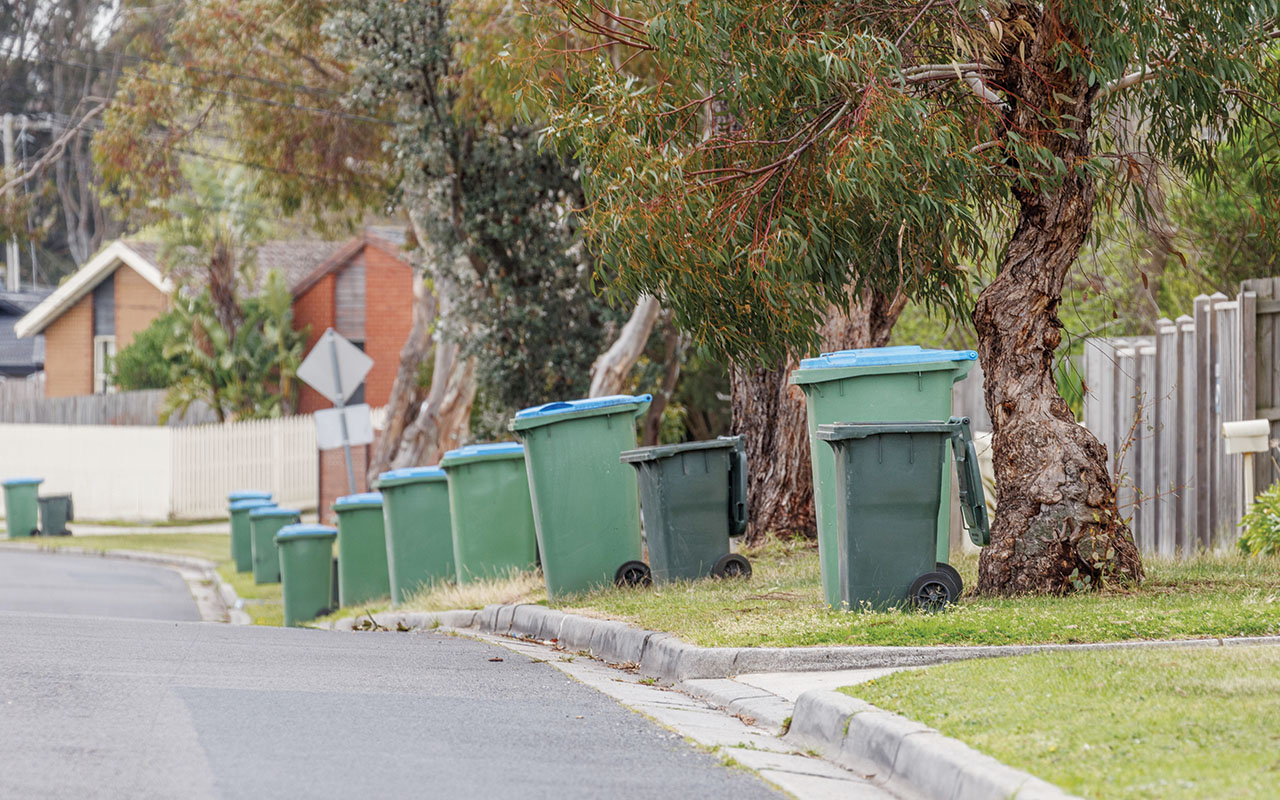
In addition to general rates, changes are also being proposed for service rates and charges. Under the options paper, weekly garbage collections could jump from $433 to $474 per year for households with bins, while properties that don’t receive waste collection would pay $130 instead of $433.
Properties that may not receive waste collection include bathing boxes, vacant land, commercial/industrial, berths, and farms.
In explaining the change, the paper stated, “a review of direct and indirect waste costs, has resulted in an opportunity to apply a waste service charge for direct collection services and a charge for indirect waste services”.
Council is also considering introducing a discounted differential rate for 2514 retirement village properties at 80 per cent of the general rate, resulting in an average rate reduction of $181 per year, which “acknowledges the unique nature of retirement communities, and the services provided within the village”.
General residential properties however could see a small $4 increase on average. Council is also proposing to remove the annual due date for full payment of rates and offer four instalments, making it easier for ratepayers to manage payments.
Councillors unanimously voted to endorse the rates options paper for community consultation at their 2 December meeting.
An option was however removed of combining a farmhouse and farmland into a single differential rate at 51 per cent, excluding commercial or industrial improvements.
Currently, farmland receives a 35 per cent reduction, while the farmhouse curtilage (an area of land around a house) of up to 2000 square metres is rated at the full general rate.
Cape Schank farmer Simon Stuart, whose family has grazed beef cattle on their 900-acre property for 90 years, said while the council had backed down from this option, he noted recent property valuations – as high as 71 per cent in one year – had caused his farm rates to soar despite a 15 per cent decrease in the agricultural rate over the past five years.
“An increase from the agriculture rate from 35 per cent to 51 per cent, as proposed, would hike our farm rates by 45 per cent, on top of any increased property valuation the council may make,” he said.
“Our farm doesn’t generate any more revenue when the council increases the valuation. What it does do is reduce the profitability and therefore the viability of farming.”
All community submissions will be handed to councillors following community input to inform adoption of the updated Rating and Revenue Plan ahead of the 2026-27 budget.
Submitters will be given the opportunity to speak for up to three minutes in the week starting 9 February or 16 February.
A shire report stated that the options presented in the rating strategy review “do not change the revenue for council, rather they look to ensure the rate distribution reflect principles of equity, transparency and fairness across all property classifications”.
Mayor Cr Anthony Marsh said, “We’re reviewing the way differential rates and waste service charges are applied to make sure the system remains fair and reflects the different ways land is used across the peninsula”.
“We want to check in with our community before anything is finalised, and we encourage everyone to look at the options and let us know what matters to them. Your feedback will help guide council’s decision-making.”
Deputy mayor Cr Paul Pinjiaro acknowledged that rates were the “biggest single bill for many households and businesses” and this “starts the conversation about rate equity”.
First published in the Mornington News – 16 December 2025