

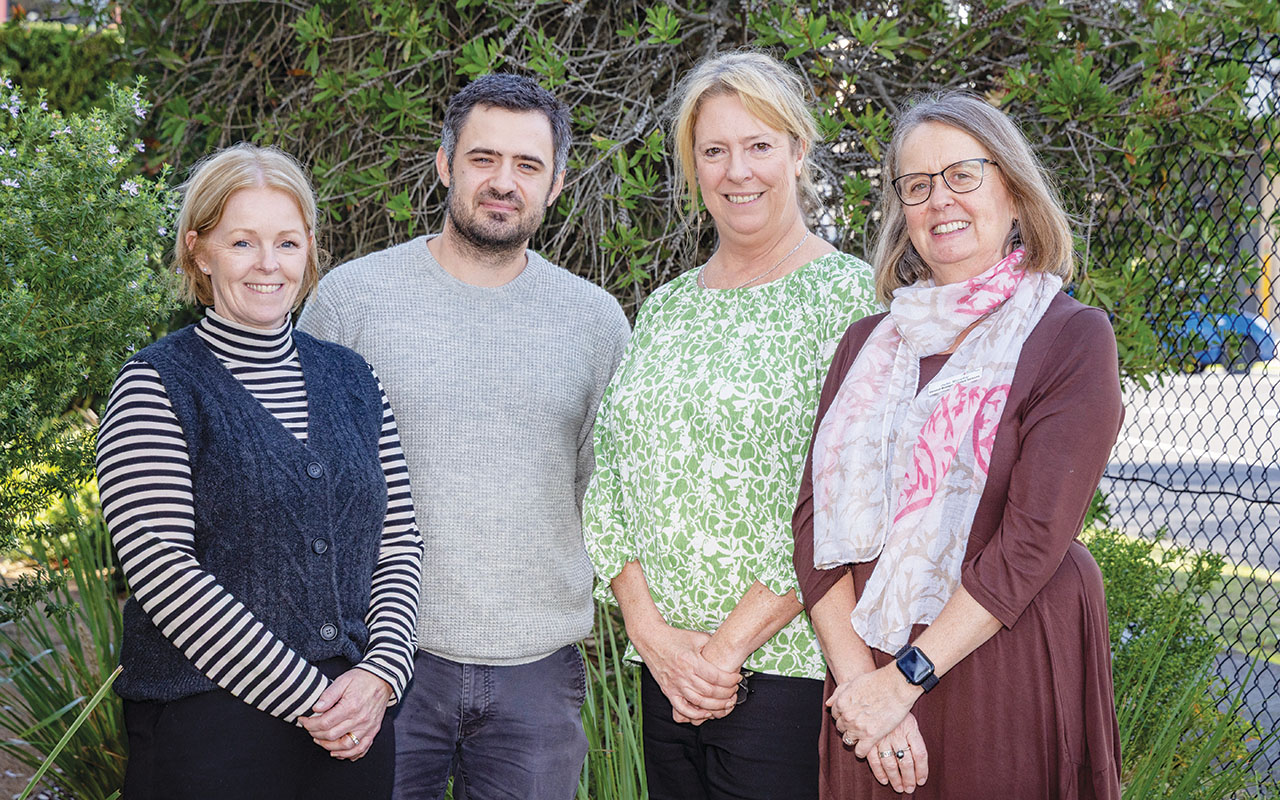
DEMAND for palliative care on the Mornington Peninsula has surged by about 27 per cent over the past four years, outpacing the resources available to meet it, according to the acting chief executive of Peninsula Home Hospice.
Julie Murphy said the local service was feeling the same pressures identified in a new state election campaign by Palliative Care Victoria, which warns that 62 Victorians die every day without ever receiving specialist palliative care.
“Access is a challenge,” said Murphy.
“Our referral rates have increased, our demand has increased… the ability to respond when needed is a challenge and it’s a pressure for our team.”
The peninsula is particularly exposed to rising demand because of its ageing demographic. Murphy said roughly 27 per cent of the population is aged 65 or over, compared with about 15 percent statewide – and the majority of palliative care referrals come from that age group.
With demand projected to increase by 50 percent by 2035, Murphy said funding was the central challenge.
“It’s multiple layers,” she said.
“It’s continual liaison with the Department of Health and state government around funding and the need for the increased demand to be recognised with appropriate levels of funding. It’s a real challenge.”
She said the service was exploring telehealth options for stable clients as part of broader efforts to maintain quality while managing efficiency, but acknowledged those measures alone would not be sufficient.
Murphy said late referral remained a concern, with health professionals in hospitals and residential aged care facilities needing better training to identify when patients were deteriorating and required palliative support.
“We always espouse referring as early as possible, so that we can get a good plan in place,” she said, noting the difficulty of balancing early referral against service demand.
Palliative Care Victoria’s 2026 state election platform calls for a targeted statewide education and training program for health professionals to identify and respond to palliative care needs earlier, along with funding to improve referral pathways and a community awareness campaign focused on underserved populations.
Murphy said Peninsula Home Hospice was also working to strengthen its reach among First Nations people and those from refugee backgrounds on the peninsula.
She was keen to challenge a common misconception about what palliative care involves.
“It isn’t just about the point of death,” Murphy said.
“It’s about living well with a life-limiting or terminal illness… supporting those clients to live the life of whatever they want as their goals, and however they want to live it.”
She added that the service cares for people of all ages – not just the elderly – including babies, teenagers, and parents.
“It isn’t solely about looking after the person with a terminal illness, but supporting their loved ones while they are in their caring role and beyond into bereavement,” Murphy said.
For more information, visit peninsulahospice.com.au
First published in the Mornington News – 16 June 2026
