

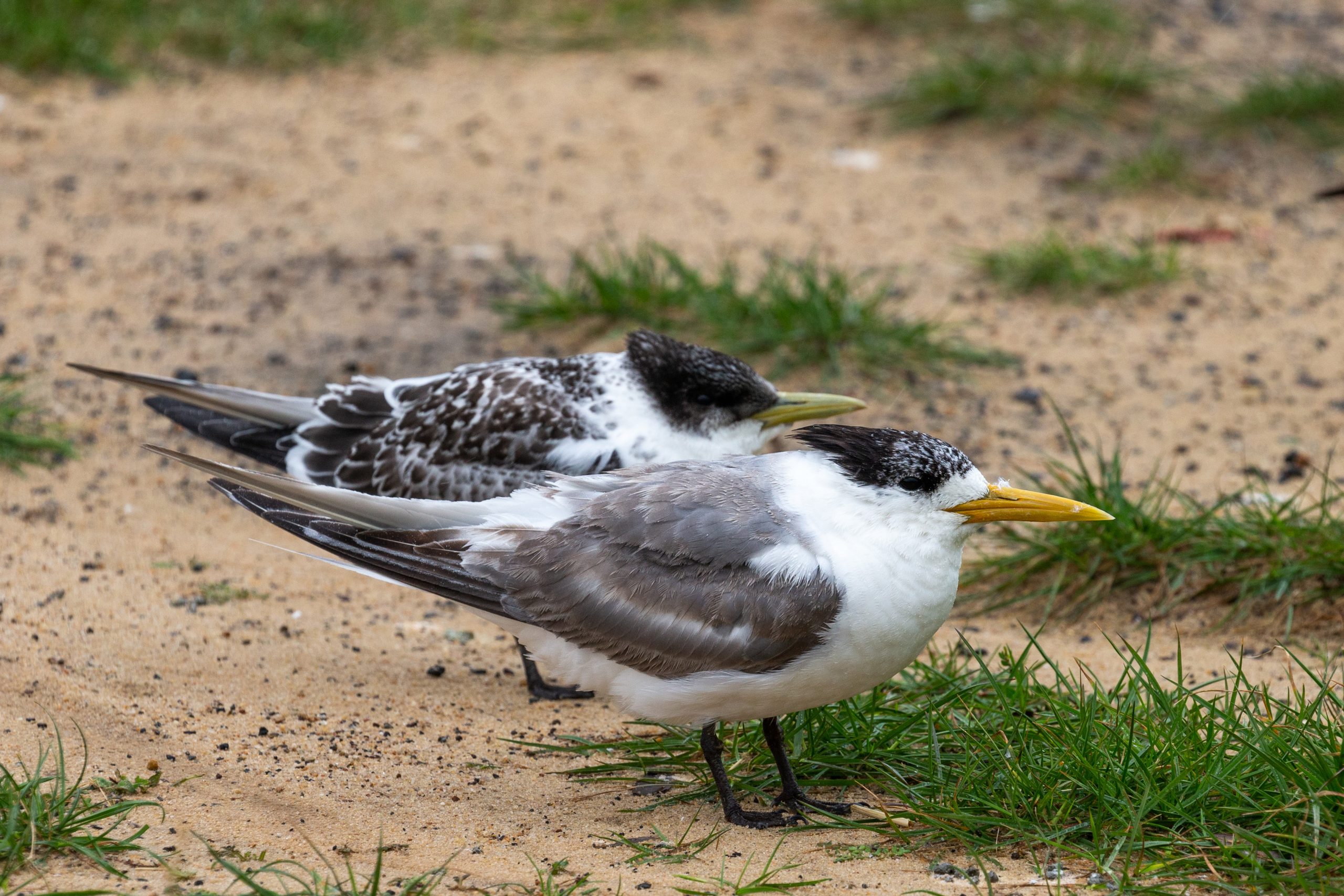
Bird flu has been detected on the peninsula for the first time on Wednesday 12 August, raising concerns about bird colonies on the peninsula, Western Port Bay, and the highly suspectable little penguins at Phillip Island.
The News believes the peninsula detection was at St Andrews Beach, and the Phillip Island detection was at Seal Rocks.
The arrival of the H5N1 bird flu comes a day after the federal government announced vaccines would be made available for the colony of little penguins at Phillip Island. More than 5,000 penguins at Phillip Island and St Kilda expected to be vaccinated as part of the program.
The doses of vaccine have now arrived at Phillip Island and are ready to be administered early next week, pending final regulatory approvals. Effectively vaccinating wild birds is challenging because each bird needs to be caught twice to receive two doses.
There are now grave concerns for Western Port Bay’s wetlands that are a critical habitat for wildlife, and home to 65% of threatened bird species in Victoria.
Shannon Hurley, Nature Conservation Campaigner from Victorian National Parks Association told The News: “As well protecting penguins with the vaccines, we really need to be investing in the resilience of all the bird and mammal species”.
“We need an overarching plan for how Western Port respond to crises like these that will give this wildlife the best possible chance to survive.”
The latest information from the Australian government assesses almost 20% of Australia’s more than 2000 bird and mammal species are at high to extreme risk from the virus.
Mornington Peninsula Shire Councillor David Gill said the arrival of bird flu on the peninsula was “a calamity”.
“While all the attention is on the Phillip Island penguins, we have to think of all the birds and marine animals it can affect,” said Gill.
“This could decimate not only bird colonies, but seals, dolphins and even whales. It has the potential to cause extreme economic and environmental effects. It is unbelievably bad news.”
Western Port Biosphere’s CEO, Mel Barker, said the best defence for our bird and mammal populations is public vigilance.
“We have not been able to prevent the arrival of bird flu on the Mornington Peninsula and around Western Port but staying alert and reporting sick or dead birds or marine mammals can help limit its impact,” said Barker.
“The implications for our region are not only the potential devastation of wildlife populations, but also economic.”
If you find a sick or dead bird that you suspect could have H5 bird flu remember to:
• AVOID contact with sick or dead wildlife and their environment. Do not touch, move or approach the bird, and do not allow pets to touch or eat sick or dead wildlife.
• RECORD what you see, the location the animal was found, and take photos or video (if possible) without approaching the bird.
• REPORT any unusual illness or death in wild birds and other wildlife immediately via the Emergency Animal Disease Hotline on 1800 675 888.
