

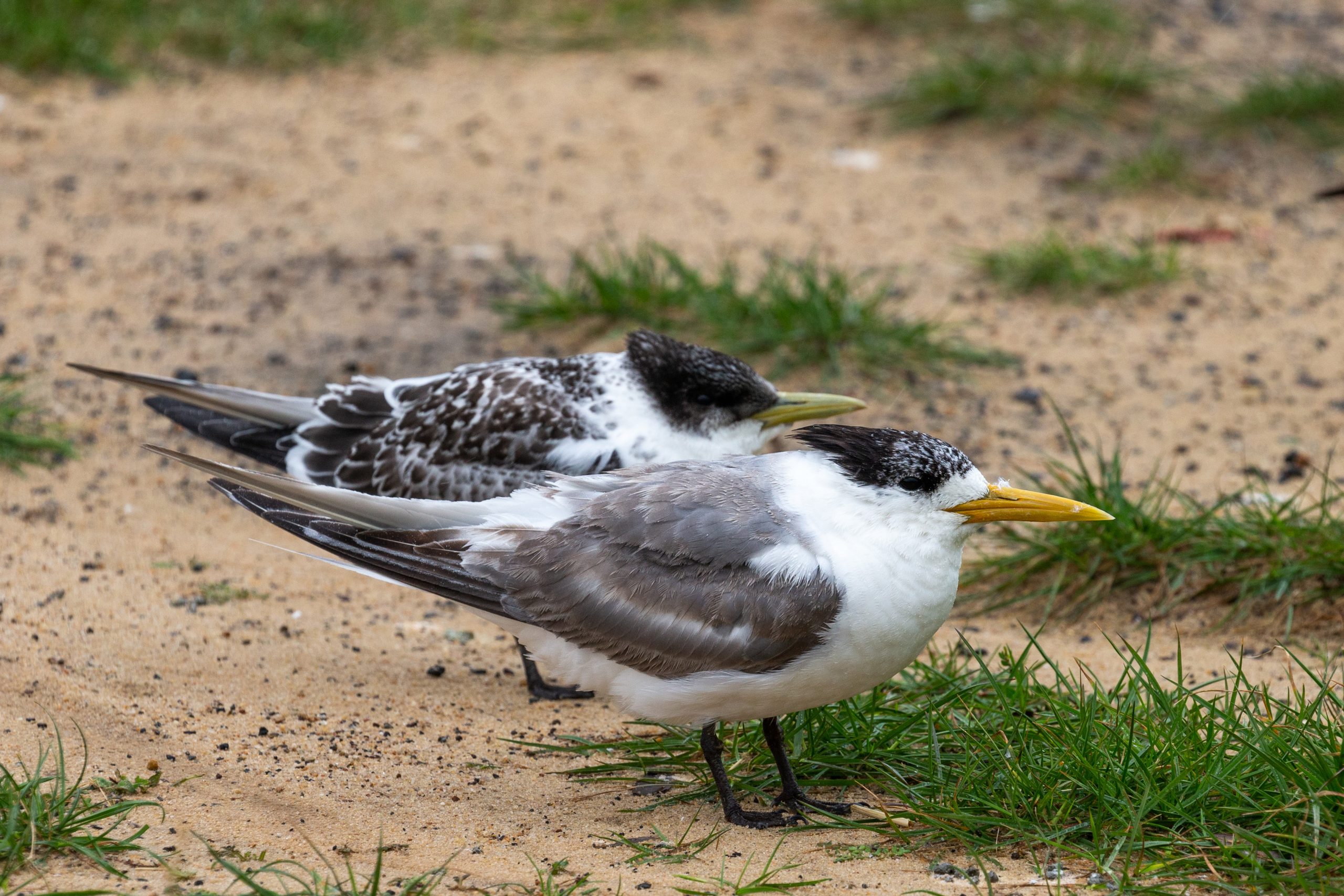
BIRD flu has continued to spread on the peninsula since the first detection on Wednesday 12 August, with the number of confirmed positive cases now sitting at eight as of last Friday.
The spread on the Mornington Peninsula comes as there are reports of mass mortality events attributed to the virus with over 1000 bird deaths in South Australia last week.
On Sunday (23 August), wildlife group Vic Wildlife Alliance reported a mass death event at Point Nelson near Portland in Western Victoria, calling for volunteers to help “humanely euthanase thousands of H5N1 infected birds which are being left to die slow, painful deaths”.
The peninsula cases have been recorded at St Andrews Beach, Dromana Beach, Capel Sound Foreshore Reserve, McCrae Beach and Blairgowrie with one case in each town in greater crested terns. There have been three cases in Sorrento; two in greater crested terns and one in a silver gull.
There has been one positive case recorded in the little penguin colony on Phillip Island as authorities race to vaccinate 5000 of the penguins to try and reduce the impact of the virus.
There continues to be grave concerns for Western Port Bay’s wetlands that are a critical habitat for wildlife, and home to 65% of threatened bird species in Victoria.
Shannon Hurley, Nature Conservation Campaigner from Victorian National Parks Association told The News “As well protecting penguins with the vaccines, we really need to be investing in the resilience of all the bird and mammal species”.
“We need an overarching plan for how Western Port respond to crises like these that will give this wildlife the best possible chance to survive.”
The latest information from the Australian government assesses almost 20% of Australia’s more than 2000 bird and mammal species are at high to extreme risk from the virus.
The rise in bird flu cases on the peninsula comes as new reporting guidelines have been introduced to align Victoria’s reporting with a national reporting framework.
The reporting guidelines now ask for people to report clusters of five or more sick or dead wild birds of any species, but to report even a single sick or dead wild seabird, waterbird, shorebird, bird of prey or marine mammal (e.g. seal, dolphin).
Mornington Peninsula Shire Councillor David Gill told The News the figure of eight detections would most likely be “wildly inaccurate”, and the peninsula could end up seeing thousands of sick or dying birds.
“The potential is we could have mass casualty events among peninsula birdlife of catastrophic proportions.”
“This could decimate not only bird colonies, but seals, dolphins and even whales. It has the potential to cause extreme economic and environmental effects.”
“People have to aware that this has the ability to affect domestic pets too.”
If you find a sick or dead bird that you suspect could have H5 bird flu remember to:
- AVOID contact with sick or dead wildlife and their environment. Do not touch, move or approach the bird, and do not allow pets to touch or eat sick or dead wildlife.
- RECORD what you see, the location the animal was found, and take photos or video (if possible) without approaching the bird.
- REPORT any unusual illness or death in wild birds and other wildlife immediately via the Emergency Animal Disease Hotline on 1800 675 888.
First published in the Mornington News – 25 August 2026
