

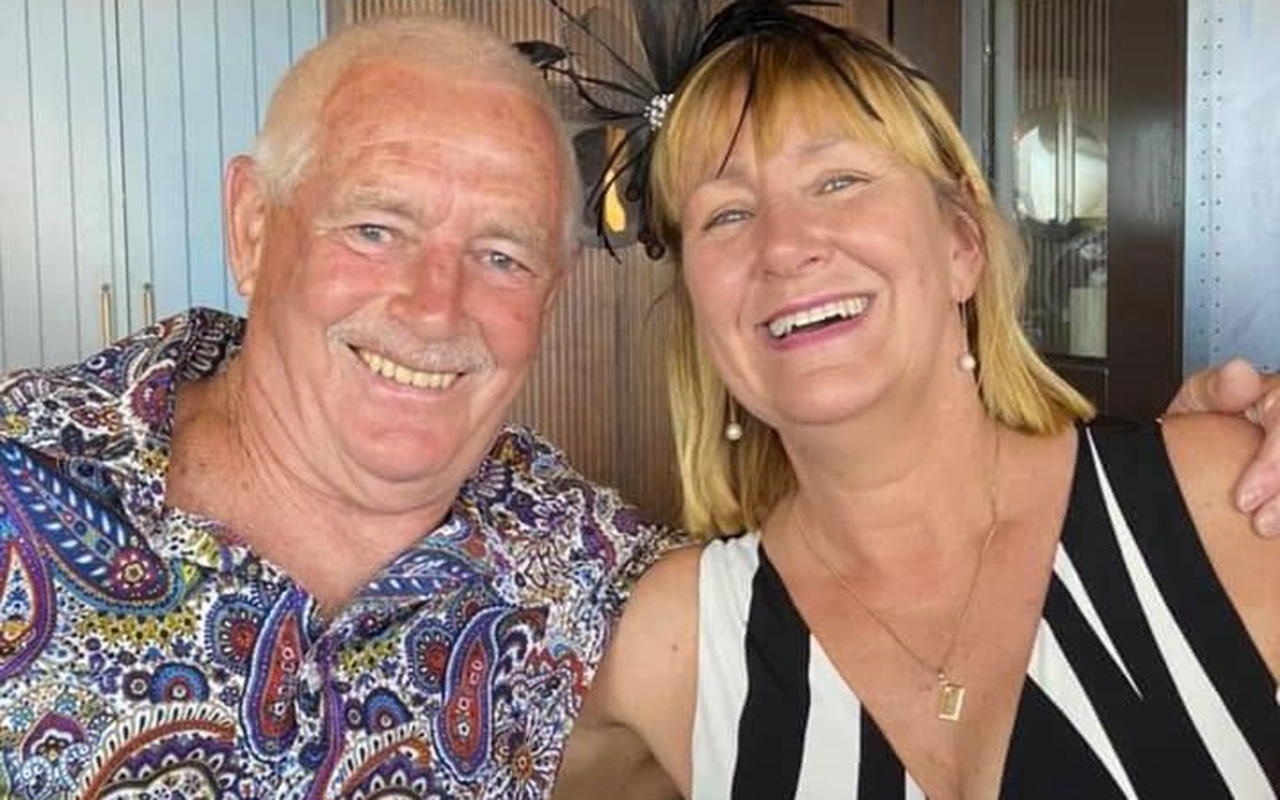
FOR the past 36 years, Linda and Tony Perrin have opened their home to children who need a safe place to stay.
The Safety Beach residents began their fostering journey when they were first married and didn’t think they would have children of their own.
They began fostering before having three children through IVF. They took a break while their children were young but returned to fostering when their youngest children were six and eight.
“I love it, and there’s such a need for it; there’s just not enough carers,” said Linda.
Now, decades later, the couple are still fostering. Linda and Tony have cared for children for periods ranging from a single night to three years. Their current placement was meant to last three weeks but has now reached 13 months.
“But sadly, it doesn’t get any easier when it’s time for them to go,” said Linda.
Linda said some of the most rewarding placements are children who have gone on to new homes where they can have a positive future.
They fostered one baby who was picked up from the hospital and stayed with them for six months before moving to an adoptive home.
“They’re probably the most rewarding because you know that they’re going to get a really good life,” said Linda.
Linda said fostering has helped shape their family and the way their children were raised.
When their children were young, they found a photo album containing pictures of three girls Linda and Tony had previously fostered. They wanted to know who the girls were and why they couldn’t foster again.
The family decided to return to fostering, and Linda said her children have grown up understanding the difference a safe and stable home can make.
“You’ve got to understand the trauma that the kids are coming from, so it’s a little bit different with your disciplining,” said Linda.
“But it’s actually really good for your own kids to learn, and our kids are now adults, and they’re like, ‘Those kids were so lucky that they lived with us because they came from nothing’, and it makes them realise what a good life they’ve got.”
Linda said one of the greatest rewards of fostering is watching kids begin to trust and open up.
“A lot of it you’ll find is just trauma,” said Linda.
“And it’s just so rewarding to see them go from a child with lots of problems to opening up and trusting you and just coming out of their shell.”
Linda said prospective foster carers shouldn’t feel like they need to fit a certain mould.
“There’s lots of options with foster care,” said Linda.
She said foster carers can be single, married, have various jobs and hours, and still make it work.
“All people from all walks of life can do it,” said Linda.
“All you need is a spare bedroom.”
Prospective foster carers undergo screening and training, including a police check and Working with Children Check, before they can become carers.
There is also ongoing support and training available to help carers respond to individual needs of children in their care, such as behavioural issues or medical conditions.
Linda said the most important qualities in foster carers are love and empathy.
“You know that they’ve come from a not-so-good place, so you just can’t help but love them,” said Linda.
Victoria’s Foster Care Week runs from 13 September to 19 September, and this year’s theme is Open Doors, Open Hearts, Open Opportunities.
The week is a celebration of Victoria’s foster carers and the role they play in young people’s lives. It also highlights the many ways people can help support children and young people through foster care and raises awareness of the growing need for foster carers.
More than 9,100 Victorian children and young people are currently living in out-of-home care, including more than 1,200 in foster care.
CEO of the Centre for Excellence in Child and Family Welfare Jamie Crosby said every day foster carers provide safe and stable homes for children who cannot live safely with their parents.
“These carers are performing an essential public service and helping fulfil Victoria’s responsibilities as a corporate parent,” said Crosby.
“Foster carers contribute an estimated $533m in economic value annually through unpaid caregiving and avoided system costs.”
Foster Care Week highlights the importance of foster care and how a diverse community of carers is necessary to help more children and young people access the support they need.
First published in the Mornington News – 1 September 2026
