


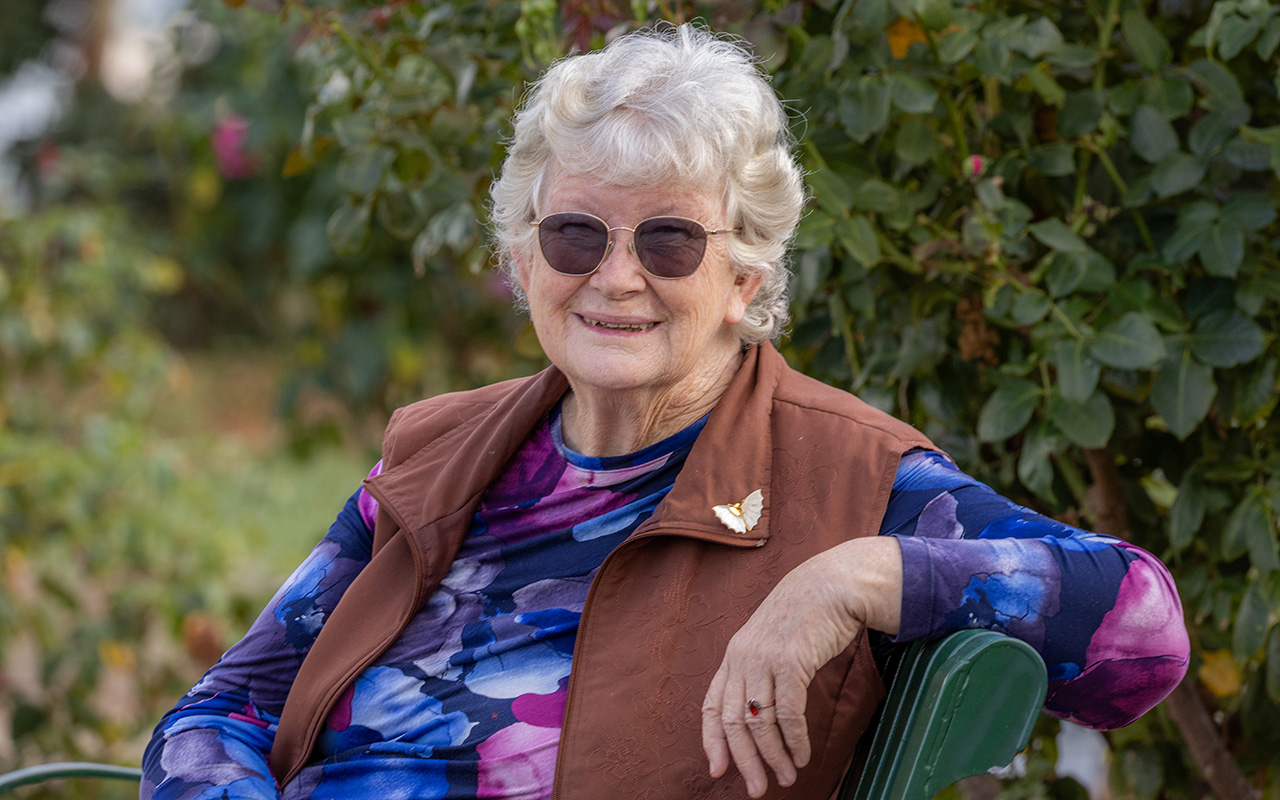
MORNINGTON Peninsula retiree Mary Strange says she felt cut off from the world for more than two decades, relying on a single hearing aid after losing her hearing due to a head injury at 42.
“And believing that there could be nothing ever done about my condition, I managed with one hearing aid for 20 years,” she said.
‘However, when I was 64, it was suggested to me that I try a cochlear implant – and to me, it was the best thing I ever did.”
The Tyabb’s resident’s experience is now at the centre of a campaign by the Deafness Forum, which is urging the federal government to provide funding for people over 65 to access cochlear implant upgrades.
Currently, children under 26, adults aged 26-64 on the NDIS, and many veterans can receive government-supported upgrades, but older Australians are excluded.
One in six Australians are currently living with some form of hearing loss, a figure expected to double to 7.8 million by 2060.
“Six months after my first implant, I was able to use the phone,” Strange said. “I was able to hear my grandchildren talking, which was a big plus for me, and able to talk to people and understand better what they were saying.
“And then I went and I got my second one when I was 69, five years later, and that even made it even better still with a cochlear implant.”
For Strange the difference between hearing aids and cochlear implants is profound.
“For me, it [hearing aid] never improves the quality of hearing. For me, I could not use the phone properly. I couldn’t watch TV and listen. I could not listen to a radio. I could not hear a PA system, and I could not hear my grandchildren talk… it limited my life and I lost my confidence because I felt like I couldn’t do things.”
Strange criticises the current lack of funding for older Australians.
“I think it’s unfair because people who have hearing aids can still get the help. And I feel there’s a discrimination because we’ve got a different way of hearing. I don’t think that’s very fair. I think we should be treated like anyone else with a hearing problem.”
Strange also stressed the importance of keeping up with evolving technology “because they’re always improving, and also the cochlear implants don’t last forever”.
“Your devices, after maybe eight years, they’re not working as well. So you need to upgrade and get something that works better and is a bit more modern… it’s important to have that communication,” she said.
The forum has submitted a request to government, challenging its failure to act on findings from the Commonwealth-funded National Acoustics Laboratory study.
Research shows that cochlear implant upgrades deliver significant health benefits and are cost-effective, helping to prevent social isolation and avoidable deterioration caused by hearing loss.
First published in the Mornington News – 17 March 2026
