


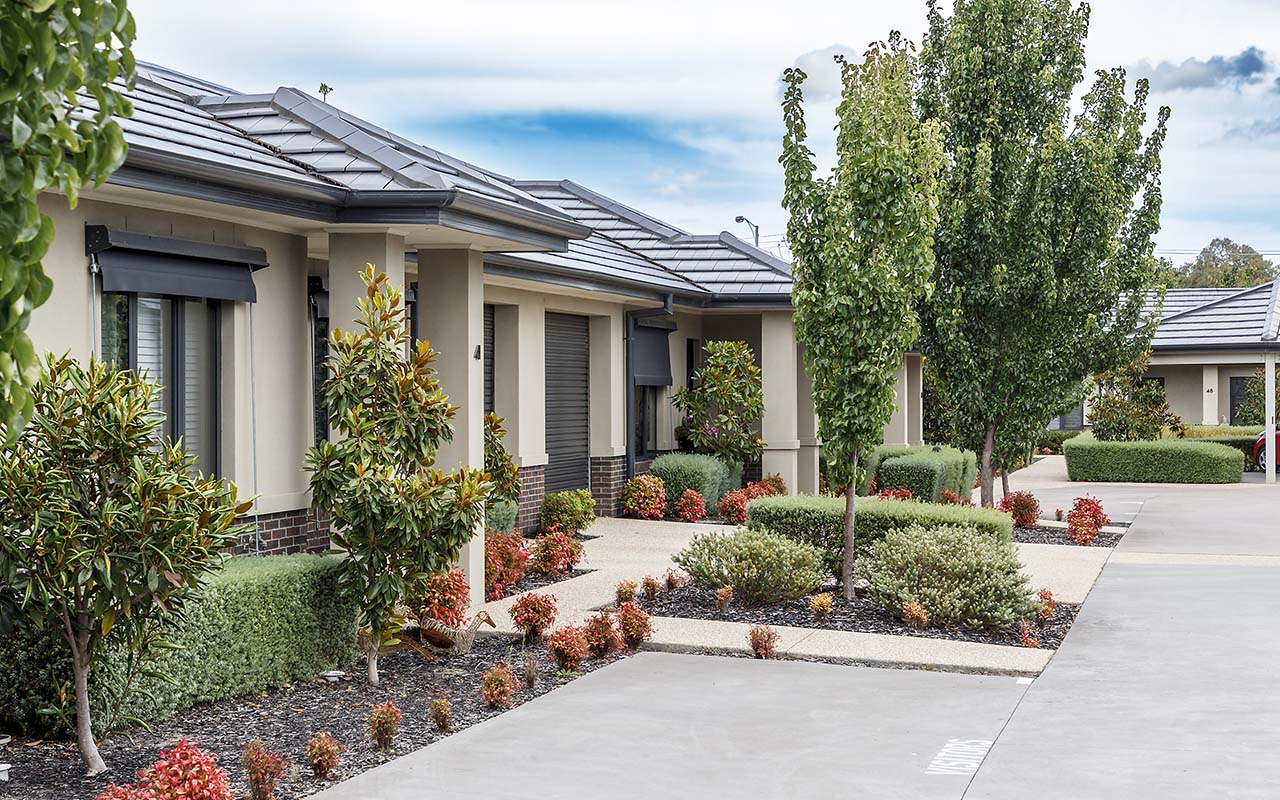
MORNINGTON Peninsula Shire councillors have approved changes to its rates system including a discounted rate for retirement villages and a revised two-tier waste service charge.
From the 2026–2027 financial year, retirement villages will be charged at 80 per cent of the general rate, providing an average reduction of about $181 per year for 2514 properties.
The council said the differential rate recognised that retirement village residents contributed to village-provided infrastructure and services, generating comparatively lower demand on council facilities, and ensured a fairer allocation of rates across property types.
Councillors supported the proposal in a 6-4 vote at their 17 March meeting following extensive community consultation in which a survey showed 63 per cent of respondents supported the idea.
But among those voting against it was Cr Max Patton who said the decision required careful consideration.
“There is good reason both for and against the rate differential for retirement villages. Residents pay additional fees for some services that would traditionally be managed by council, but they don’t receive those services because they are provided within the village,” he said.
Cr Patton noted that many residents already receive a means-tested pension discount and said applying a differential rate could set a precedent for other properties seeking reductions based on services they may not use.
Cr Michael Stephens also expressed concern about shifting costs onto the broader community.
“Around 68 per cent of people living in retirement villages already receive a state government subsidy. By introducing a 20 per cent discount, we would effectively be shifting the cost onto the broader community at a time when many householders are facing cost of living pressures,” he said.
According to a council report, the objective of the retirement village differential rate was to recognise that residents contribute to village-provided infrastructure, amenities, maintenance, and services that reduce their reliance on council services and infrastructure.
It also noted a “distinct differential rate category supports equitable and transparent allocation of the rate burden across property types”.
Councillors also voted in favour of introducing a revised two-tier waste for rateable properties effective for the 2026-27 financial year.
Under the new framework, a new waste service charge will be split into a waste collection charge covering direct costs for properties receiving kerbside collection, and a public cleaning charge covering indirect waste-related costs such as street sweeping, footpath cleaning, beach cleaning, public bins, litter collection, and the state government landfill levy.
According to a shire report, the revised structure aimed to better align charges with services actually received, increase transparency between direct and indirect waste costs, ensure the waste service charge remains fully cost-recovered, and supports long-term sustainability by fairly allocating costs across all rateable properties.
Cr Andrea Allen said the changes addressed concerns from businesses and property owners.
“I’m comfortable with where the waste service charge has landed and it’s supported by the consultation,” she said.
“The main concern from shop and beach box owners was being charged for a service they couldn’t access. These changes make it fair – they still contribute to general waste costs like street bins but aren’t charged for kerbside collection they don’t receive”.
Other updates include a rolling program to review farm land properties receiving discounted agricultural rates every four to five years, starting in 2026-27. This will include reviewing about 240 properties each year.
A community survey showed 61 per cent supported this measure.
Cr David Gill said, “We don’t get much support for our farmers in terms of taxes and land taxes and all sorts of things, but this council does support you”.
“The community should recognise the value of farming on the peninsula. Without farming we don’t have a green wedge. Simple as that.”
Councillors also voted to remove the due date for full payment of rates, offering four instalments only with the aim to “improve cash flow and support ratepayers in managing their obligations more effectively”.
First published in the Mornington News – 24 March 2026
