

MORNINGTON Peninsula Shire has partnered with Wildlife Victoria in a new three-year initiative aimed at reducing wildlife road tolls across the peninsula.
The partnership was formed through Wildlife Victoria’s Wildlife Roadtoll Action Program (WRAP) and will provide council with detailed multi-year data analysis identifying wildlife collision hotspots and trends.
The program is designed to help guide mitigation strategies to reduce the number of native animals being struck on local roads as well as improving safety outcomes for drivers.
Wildlife Victoria’s Roadtoll Action Program Manager, Anna Tran, said the program reflects a growing need for coordinated action as wildlife collisions continue to increase.
“We’re looking to address wildlife collisions with Mornington Peninsula Shire Council under the banner of the Wildlife Roadtoll Action Program,” said Tran.
“WRAP is a preventative initiative aimed at reducing wildlife vehicle collisions and we provide data analysis and insight to local councils across the state to help them to address the collision issue.”
Under the agreement, Wildlife Victoria will analyse years of emergency response data to pinpoint collision hotspots and identify patterns and trends in wildlife road trauma across the peninsula.
“The trends from that data will be used to understand and develop the most appropriate mitigation strategies for the area and for wildlife that call the peninsula home,” said Tran.
Wildlife Victoria reports vehicle collision cases on the peninsula have risen by approximately 135% in the last five years. Kangaroos are the species most affected by road accidents in the area.
She said urban development and habitat loss were key factors behind the increase as native animals are being pushed closer to roads and residential areas.
“That doesn’t mean that we can’t develop and continue to grow,” said Tran.
“But wildlife does need to be considered in urban development in order to reduce the impact of human wildlife interactions like wildlife vehicle collisions.”
She said addressing the problem would require approaches that target driver behaviour and wildlife behaviour.
“A combination of strategies is likely to be most effective,” said Tran.
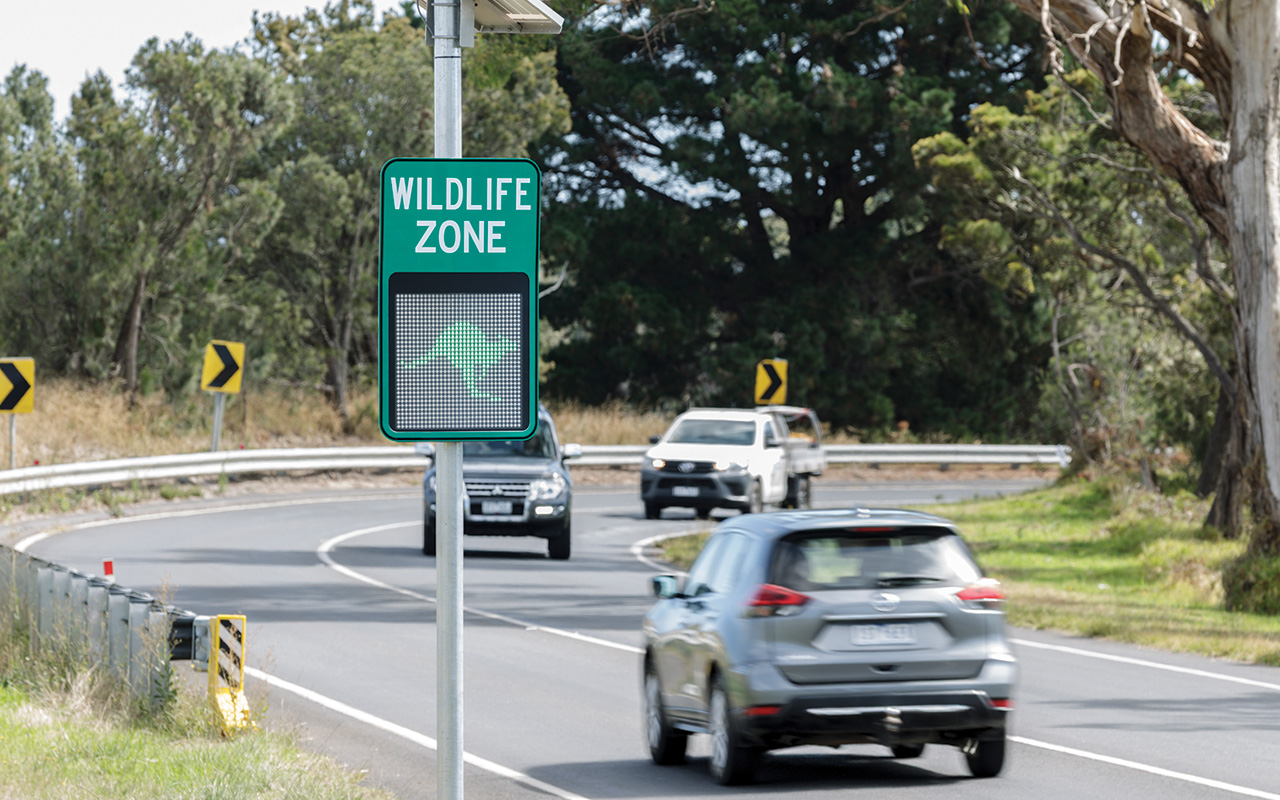
Potential solutions could include wildlife road signage, community engagement and education, fencing, and wildlife crossings such as bridges or glider poles.
“I think that it’s very important to address change at a systemic level,” said Tran.
“So, we are very much advocating for legislation changes at a state level and we’re also leaning on our partnerships with the Department of Transport and Planning to impact change on state owned roads and at that state level.”
This comes alongside the shire approving a motion to work towards a Wildlife Master Plan following growing community concern around habitat loss, wildlife protection, and increasing road tolls (Council backs new wildlife push for peninsula, The News 19/05/26).
Residents are encouraged to drive cautiously and pay attention to signage, particularly around dusk and dawn when wildlife is most active. Wildlife Victoria can be contacted on 8400 7300 day or night to report any wildlife in need.
First published in the Mornington News – 26 May 2026
