

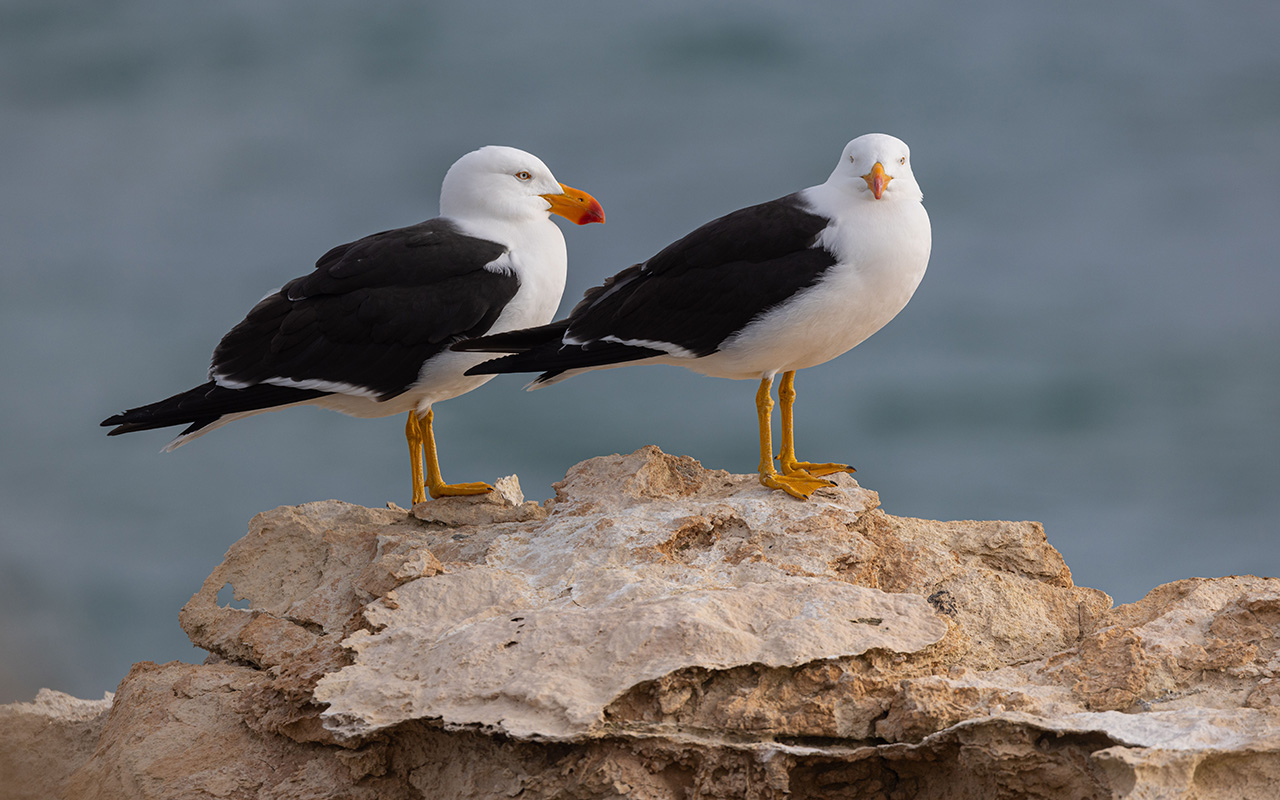
PET owners, particularly those with cats, are being urged to watch closely for signs of illness after the H5N1 avian influenza virus was confirmed in wild seabirds in three Australian states.
The virus was first detected on the Australian mainland on 14 June, when a brown skua was found sick at Cape Le Grand National Park near Esperance, Western Australia. It was confirmed as HPAI H5N1 later that month.
Since then, detections have spread to South Australia and as of July to New South Wales, with six confirmed cases nationally. There is no evidence yet of spread to poultry or domestic animals.
Bird flu, or avian influenza, is caused by influenza A viruses that primarily infect wild birds and domestic poultry such as chickens and ducks. The term is often used specifically for the highly pathogenic H5N1 strain, which spreads through direct contact, droppings, respiratory secretions, or contaminated surfaces, feed or water.
The virus can occasionally infect mammals, including cats and, to a lesser extent, dogs, and rarely humans, though sustained human-to-human transmission has not been recorded with current strains.
Cats are considered particularly susceptible, and infection can be severe or fatal. RSPCA Pet Insurance chief executive, Brad Smith, said cats can become infected through hunting or eating sick birds, or, less commonly, through contaminated raw pet food or unpasteurised dairy.
“Cats are highly susceptible to the virus and if the disease takes hold, it can cause your pet to become very ill.
“Bird flu can progress quickly, particularly in cats, so if you notice symptoms like fever, lethargy, breathing trouble or any neurological signs, isolate your pet and get them to a vet straight away. Calling ahead so the clinic can prepare makes a real difference too,” said Smith.
Precautions include keeping cats indoors so they’re away from wildlife, particularly sick or dead birds. “As is always the case, keeping a close eye on your pets is advisable, but with bird flu now present in the country, extra vigilance is a pretty good idea,” said Smith.
Federal and state authorities have stressed chicken meat and eggs remain safe when properly prepared.
Official advice is available from the Department of Agriculture, Fisheries and Forestry and Wildlife Health Australia.
Sightings of sick or dead wild birds can be reported to the 24-hour Emergency Animal Disease Hotline on 1800 675 888.
First published in the Mornington News – 14 July 2026
