


UNPAID carers across Victoria are calling for greater recognition and assistance as they attempt to manage work, study, raising children, and caring responsibilities.
According to Carers Victoria, the peninsula is home to over 20,300 people who provide unpaid support to family members or friends.
Ahead of the state election, Carers Victoria is calling on all political parties and candidates to recognise and acknowledge carers’ contributions, needs, and commit to more support.
Local carer, author, and disability advocate, Julie Fisher, said more support for unpaid carers is necessary.
“There’s the financial impact, the impact on employment, and I think we need better access to services such as mental health support,” said Fisher.
“It’s a big burden on a lot of people, because they’re carrying so much.”
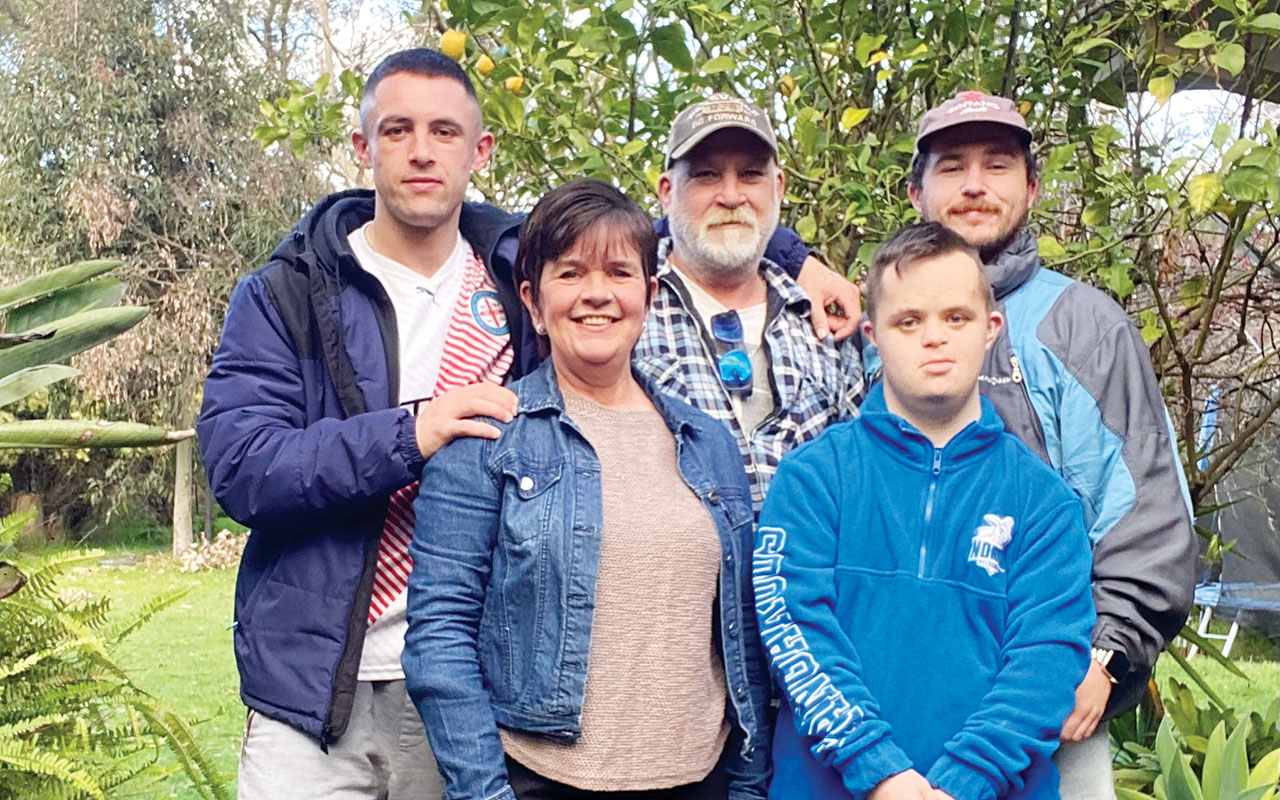
Fisher cares for her youngest son, Darcy, who is now twenty years old and lives with Down Syndrome.
“It took a while for me to actually recognise myself as a carer, because I think when you’re a mum, you tend to just sort of think, ‘Oh, they’re my child, so I’m doing all of this anyway’,” said Fisher.
She said being a carer can be extremely rewarding when Darcy hits milestones.
“It’s wonderful because all that hard work that’s been put in has paid off,” said Fisher.
“But as I said, it can be very physically, mentally, and emotionally exhausting sometimes.”
Fisher said she first heard about Carers Victoria through a friend around 15 years ago.
She has since been the face of National Carers Week, written books about her experience, and done a lot of work with Carers Victoria.
“It’s definitely given support, resources, people to go to, places to turn to, learning about different things like companion cards and things like that that we can access for our loved ones,” said Fisher.
“They’ve put our best interests in their hearts, and they want to support us, and that’s exactly what they do.”
Darcy is on the NDIS, but Fisher said the landscape is changing and they are expecting his support to be cut by 50 per cent.
“It means he’s not going to be able to enjoy those services where he’s learning new skills like woodwork and things like that,” said Fisher.
“We’re going to have to really pick and choose, and it means that on the days that he can’t go to services, he’s going to be stuck at home because, with us working, we can’t do those things with him every day.”
She said challenges with the NDIS funding is just another example of how much time and energy is spent advocating for support.
“I think the wider public acknowledging the work that we do as unpaid carers has been a real breakthrough, and I think the government can get behind that too and support us a bit more as well,” said Fisher.
Hastings resident Naomi Byrne cares for her daughter Sarah, who has an intellectual disability, autism, and is incontinent and nonverbal.
Sarah requires 24-hour supervision, which Byrne provided until two years ago, when she made the decision to move Sarah into temporary care.
Byrne continues to see Sarah every day, manage her affairs, and is her legal guardian.
She has been involved with Carers Victoria for over 15 years and said they’ve helped her understand that what she is doing is the right thing for Sarah.
“They offer support, emotional support, education, and advocacy; the work they do just inspires me,” said Byrne.
“It also means I can give back to others, as well, and share my experience and my knowledge with other carers.”
Byrne said she believes carers need more financial support, as well as other support such as mental health.
“I know it’s all about finances with the government, but I just think if carers were looked after better, they could look after themselves better and their person as well,” said Byrne.
Carers Victoria offers programs and services for carers as well as research, data analysis, policy development, and systemic advocacy.
General Manager of Communications, Policy, and Partnerships, Deb Fewster, said the biggest issues they hear from carers include social isolation, exhaustion or burnout, financial hardship, and difficulty navigating complex systems.
“It’s about early intervention,” said Fewster.
“So, connecting with carers really early on in their care journey to let them know what support’s available out there for them and have really good conversations with them about how they might be able to manage their own self-care as they step into a caring role.”
Carers Victoria have prepared a pre-election platform, which details 13 specific asks of the next Victorian government.
This includes a four-year extension of funding for the Additional Respite for Carers program, expanded access to carer respite in growth corridors, more support for young carers, and a boost in recognition and support for carers in health and emergency services.
You can find more information about Carers Victoria and the work they do at: www.carersvictoria.org.au.
First published in the Mornington News – 10 November 2026
