


MORNINGTON Peninsula Shire is placing its Towards Zero Road Safety Strategy on public exhibition for six weeks.
At the 27 October council meeting, councillors voted in favour of seeking community feedback on the strategy, which outlines the shire’s commitment to zero lives lost on peninsula roads.
The 2026-2031 strategy continues the shire’s commitment to reducing road trauma and includes updated actions informed by crash data analysis and road safety initiatives.
Community feedback received during the six-week exhibition will inform the final strategy before it’s presented to council for adoption in early 2027.
Cr Max Patton said he appreciates time is valuable for community members, however the difference in survival rates at lower speeds makes it worth it.
“Dropping from 50kph to 40 adds just 18 seconds for every kilometre you drive and I think 18 seconds is a pretty fair price to pay for tripling someone’s chance for surviving an impact,” said Patton.
In 2016, the shire became Victoria’s first towards zero council and has found road trauma trending down since.
Patton said the road network on the peninsula is too expansive to build footpaths everywhere, so cyclists and pedestrians will continue sharing roads with cars.
“Instead of arguing speed limits one road at a time across the peninsula, the officers have reviewed the entire shire network against the state speed zoning policy and this gives a consistent outcome across the peninsula,” said Patton.
Patton said some people will question why the shire isn’t spending the money fixing potholes and resealing roads.
“Road condition and safe speeds are two separate problems and our road safety management plan sets how we maintain and repair the network, but a perfectly smooth, good condition road of 50kph is still deadly for a pedestrian, a cyclist, or a kangaroo,” said Patton.
“We need to address both these issues concurrently.”
Cr David Gill said in 2025/26 there have already been over 2,500 community responses in regard to road safety, showing great community interest in the topic.
“This report depicts the need for continual vigilance, with 402 people killed on our roads since 1988,” said Gill.
“That’s unheard of anywhere else in the state.”
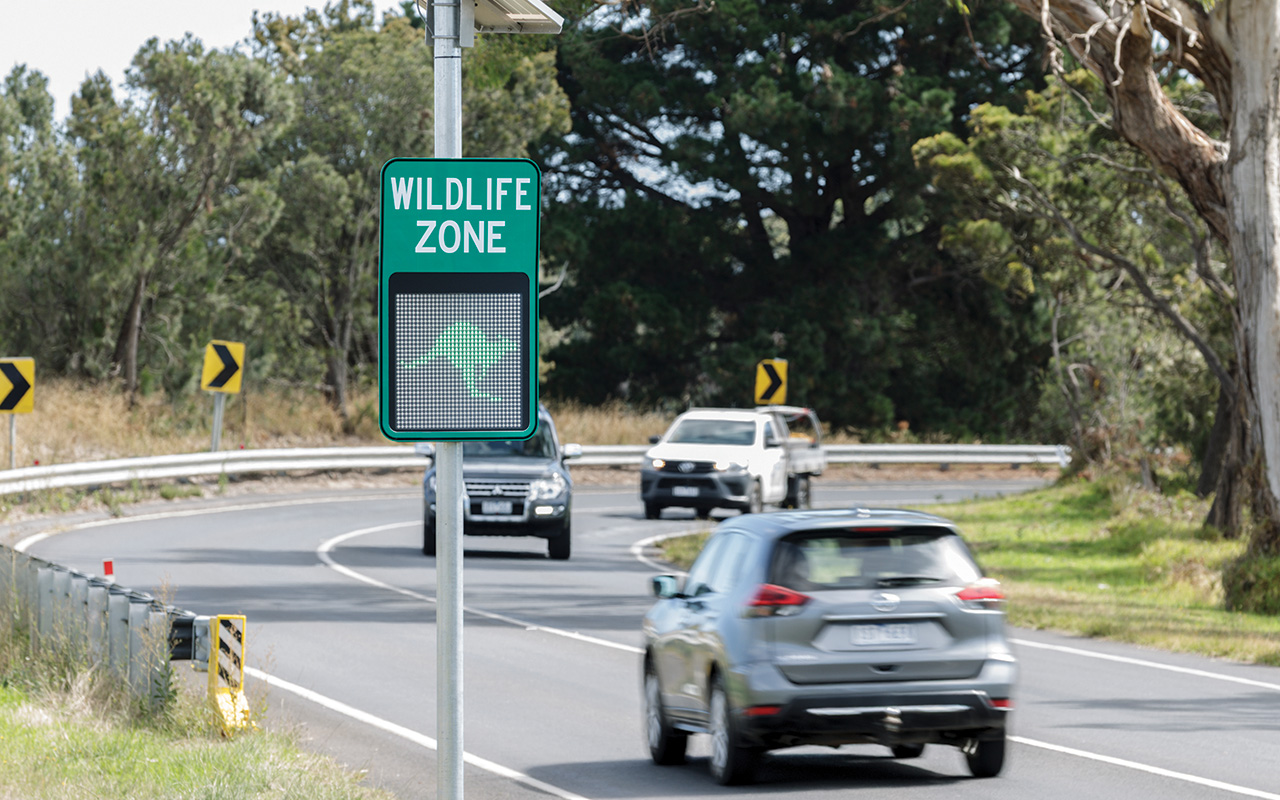
The strategy also includes a wildlife road strike action plan to help minimise impacts on wildlife and maintain ecological connectivity.
Cr Michael Stephens said he welcomes the inclusion of a dedicated wildlife road strike action plan.
“The Mornington Peninsula is home to extraordinary diversity of native wildlife and unfortunately far too many animals are killed and are injured on our roads every year,” said Stephens.
“Protecting wildlife and improving road safety should not be seen as separate objectives.”
Stephens said he also welcomes the strategy’s evidence-based approach to safer speeds, road improvements, and driver behaviour.
“It’s important that any proposed changes are appropriate to local conditions and informed by crash data and community feedback,” said Stephens.
“This strategy is about more than reducing statistics; it’s about protecting lives, preventing injuries and preserving the unique natural environment that makes the Mornington Peninsula such a special place.”
He said he encourages the community to participate in the six-week consultation period to help shape the final strategy.
Cr Bruce Ranken noted road trauma has trended down on the peninsula while increasing across the state.
“The strategy data also tells us something that the state government needs to hear,” said Ranken.
“State managed roads make up less than one-in-five of the roads on the peninsula, yet 60% of the deaths and serious injuries have happened on the state roads.”
Ranken said grants for strategies and signs are welcome but are no substitute for fixing roads themselves.
“Our residents drive on state arterial roads every day that are broken up, patched up, and potholed,” said Ranken.
“Their message to me is simple: fix the basics, fund proper maintenance and the renewal of arterial network and you’ll save lives.”
Cr Paul Pingiaro said roads and road infrastructure are incredibly important on the peninsula because of the lack of connective transport.
“We highlight the issue of the 60/40 split with people, but it’s much greater when we bring in wildlife because four of the five roads with the highest reported wildlife strikes are state managed roads,” said Pingiaro.
“This strategy has proposed improvements for at least five high risk wildlife corridors by 2031. We’d welcome state funding for a bit of that.”
Pingiaro asked residents to comment on the strategy when it is out for consultation.
“And to our young people that are about to start driving on our roads, have a look at this and understand that when you slow down, you save lives,” said Pingiaro.
First published in the Mornington News – 17 November 2026
