


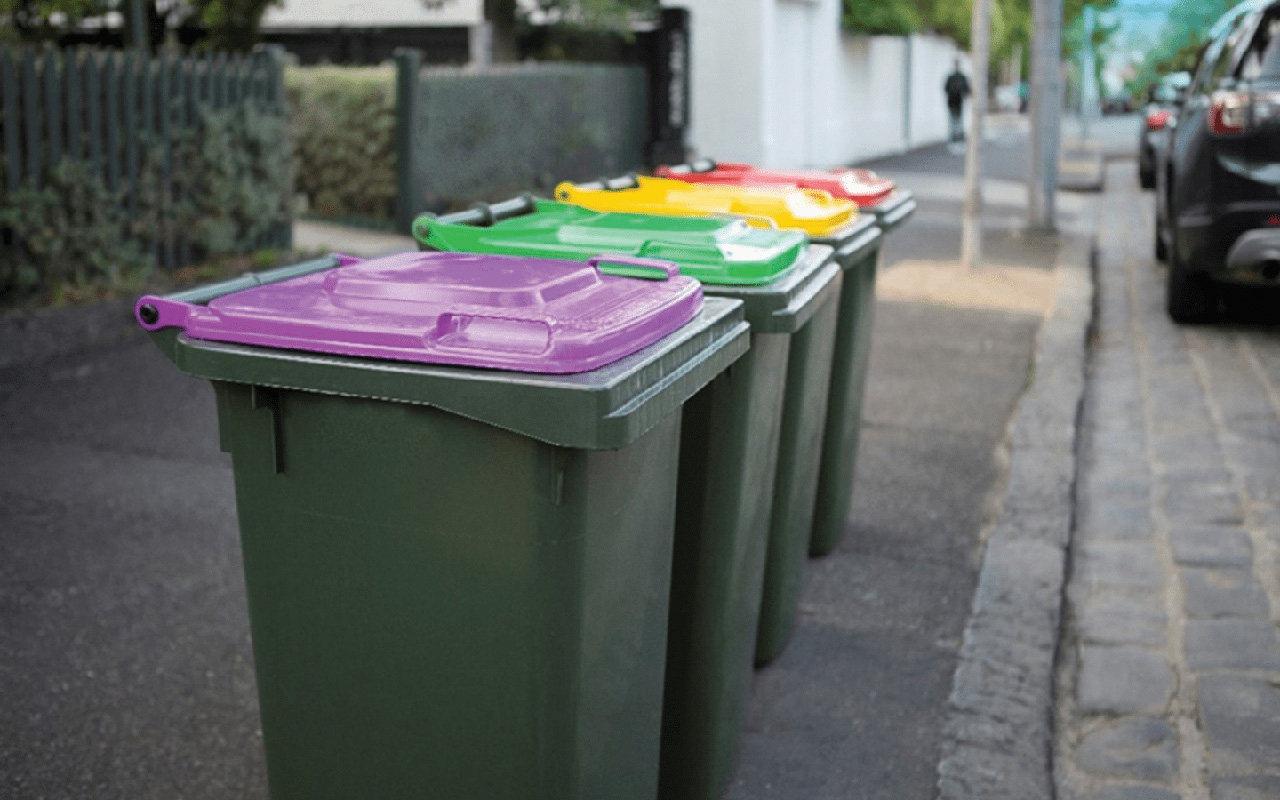
MORNINGTON Peninsula Shire has agreed to the framework for the mandatory “Food Organics and Garden Organics” (FOGO) service rollout without an opt-out option.
At the 10 November council meeting, councillors endorsed service provisions for the mandatory rollout.
The Victorian government ordered a mandatory rollout of a FOGO service for all councils by July 2027.
A project is currently underway for the shire to extend FOGO access to approximately 41,000 additional households.
The shire will review the provisions within six months of the state government publishing the final service standards.
Cr Michael Stephens said this is one of the most important changes the shire can make to help manage household waste.
“It represents a significant opportunity to reduce the amount of material that is being sent to landfill,” said Stephens.
The state government had a target of 20 per cent of organic material sent to landfill by 2025.
A shire audit found 39 per cent of material in general waste bins in food and garden organics.
“We’ve got some catching up to do and it will be really great to get that number down to 20 or 10 per cent,” said Stephens.
“That’s an extraordinary amount of material that simply doesn’t need to be going to landfill.”
Stephens said the potential benefits for separating organic material are enormous.
“Food scraps and garden waste are not simply rubbish,” said Stephens.
“They’re valuable resources that can be recovered, processed, and returned to the environment as useful products such as compost.”
Stephens said when organic material is buried in landfill, it produces methane.
“By separating the organic waste, that process is changed into a valuable resource,” said Stephens.
“We can reduce those emissions, recover valuable nutrients, and help create a more sustainable circular economy.”
The shire already has over 54,000 participating in the FOGO service.
Stephens said he recognises changing household habits isn’t always easy.
“That’s why community education will be absolutely crucial,” said Stephens.
“We need to make it as simple as possible for residents to understand what belongs in a FOGO bin, why separating food matters, and how individual actions contribute to a much bigger environmental outcome.”
He said he hopes they can maintain some flexibility for some households with difficult circumstances.
“Ultimately, the success of FOGO will depend on all of us making the small changes needed to our daily habits,” said Stephens.
“Separating our food scraps and our general waste might seem like a small thing, but across tens of thousands of households, the collective impact is substantial.”
Stephens said we need to stop treating organic matter as waste and start recognising it as a resource.
Cr Max Patton said there is an inextricable link between FOGO service provisions and waste expenditure.
The shire is currently looking into various waste disposal options as Rye landfill reaches capacity (“Shire seeks community feedback on waste disposal options”, The News, 18/11/26).
“The better job that we do in drawing FOGO out of the general waste stream, the better economic return that we will have for ratepayers in the long run,” said Patton.
First published in the Mornington News – 24 November 2026
