

AN inspirational eco agricultural movement on the Mornington Peninsula could be shaping the way forward for collective arrangements between farmers and the sustainable sharing of resources, knowledge and land.
A small group of eco farmers have already taken up the ultruistic offer by a Main Ridge couple to share their 89 hectares (220 acres) over two properties and the hunt is on for other regenerative-focussed farmers who want to care for and protect the land and water resources.
Beth Phillips and her husband Andrew Phillips, a co-founder of Camp Australia, are developing the Uncommon Folk farm – a model of collective farming where a number of farmers lease the land and collectively market and sell their produce.
Beth Phillips said that after selling their business about 10 years ago they had wanted to get involved in a different kind of philanthropy that allowed them to “consciously connect” with their community.
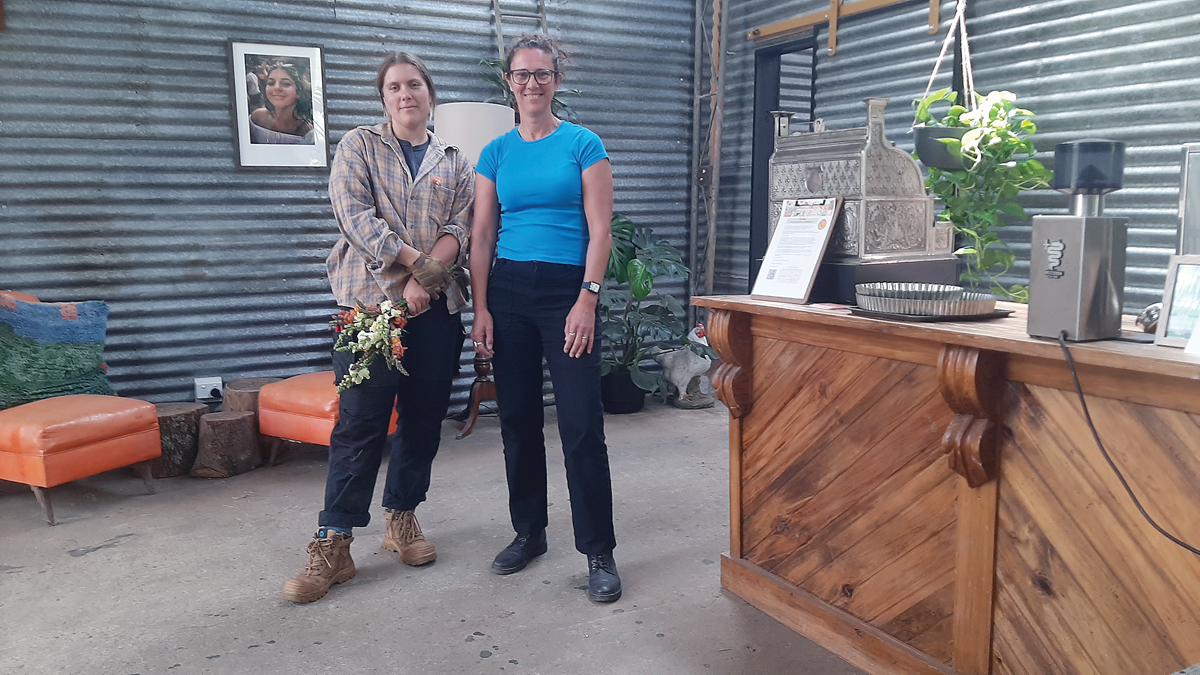
She said she liked the idea of collective farming that moved away from industrialised and remote food systems, but it wasn’t until her current project manager, former Diggers Club CEO Lisa Romato came on board that the concept started to come together.
“We have an amazing team with Lisa and former Grow Corp project leader Nina Sharpe, they are the game changers here, plus we already have a number of wonderful farmers who share our vision for collective farming,” she said.
Phillips said there were many forms of collective farming around the world, including Victoria’s own successful Ceres farm in the City of Darebin, and the Harcourt Organic farming co-operative in NSW, and the team behind Uncommon Folk was taking inspiration from them all and tweaking things to suit.
Romato, who jumped at the chance to take over the reins this year, said the philosophy of Uncommon Folk was to support agricultural enterprises that may not have the capital to exist or expand on their own.
“Lots of young farmers in particular are excluded from buying land or even leasing land at a reasonable cost, so we offer reasonable lease arrangements, we pay for infrastructure and kind of incubate farmers and get them up and going running their own businesses,” she said.
Uncommon Folk undertakes regular soil and water testing to ensure its health, and is also working closely with Landcare to restore the local creek that runs through the property. There are also ambitious plans to turn one a corner of the land into a revegetated wetland.
Currently the farm is the new home of Riding for the Disabled and a range of producers, including Lil’s Yokey Dokey eggs, Dees Bees and Cheery Road Flowers, but Romato says she envisages that the arrangement would suit a range of growers and graziers.
While it could sound like the promised land to many, there is a small catch – lease-holders have to share a vision for sustainable and regenerative farming, and be happy to be involved in a regenerative and educational community and the emotional and social support that brings.
That may mean sometimes putting in time at the farm shop on Saturdays, and participating in collective meetings so they have a say in the shape of the ‘community’, but Romato says the ongoing financial and emotional benefits to farmers, the community and the environment are priceless.
Romato and the Phillips family hope other farmers will look at their model and decided they could also do something similar on their land.
“We really want people who share the collective’s vision of producing locally and leaving the land in a better way for future generations,” she said.
To find out more go to www.uncommonfolk.com.au
First published in the Southern Peninsula News – 8 February 2023
