

By Molly Broadfoot*
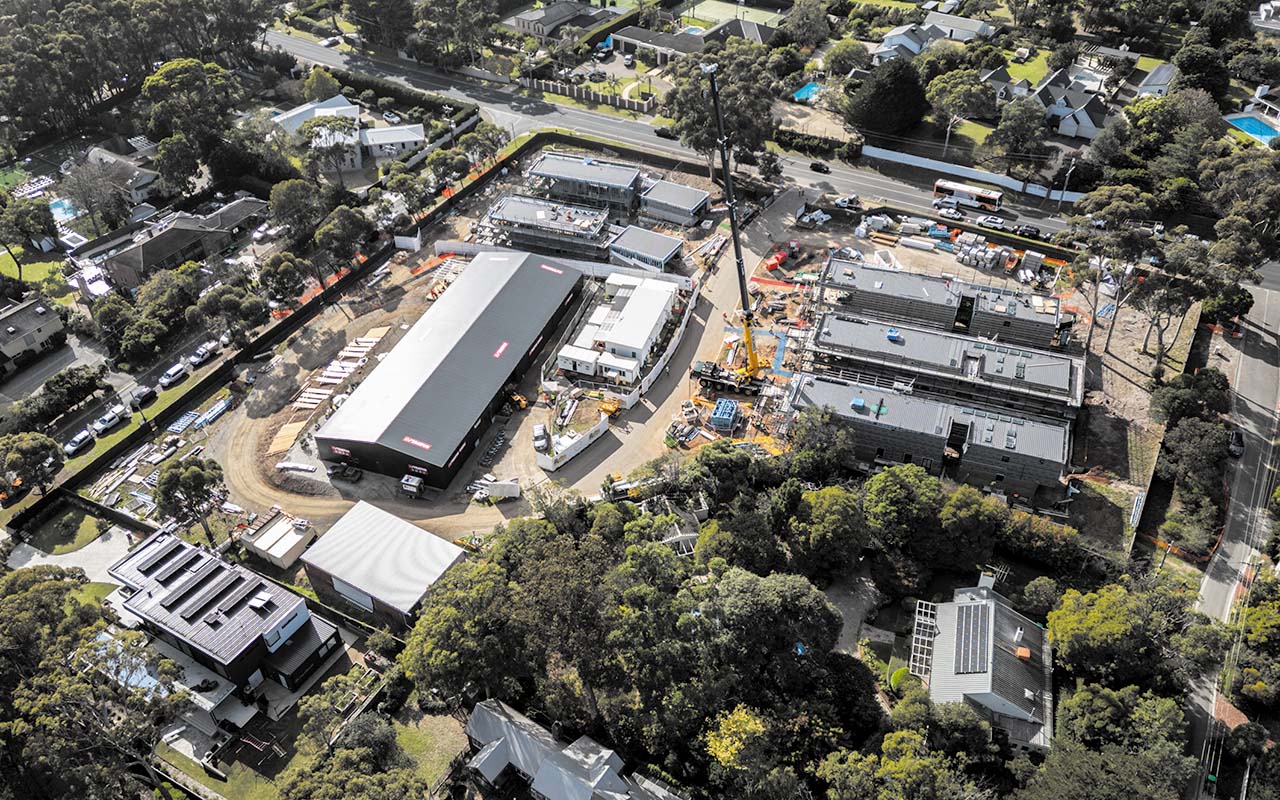
AS homelessness hits a record-high on the Mornington Peninsula, The Block has begun filming its latest season in Mt Eliza. In an $11m deal to purchase the site, the show plans to construct five luxury houses across 1.35 hectares on Old Mornington Rd.
While the show may bring excitement and publicity to the area, critics argue it highlights a broader issue: a focus on luxury property while the region’s housing crisis remains unaddressed.
The Mornington Peninsula now has the highest number of rough sleepers out of any local government area in Victoria – including Melbourne City. Despite desperate cries for help from the shire, local politicians and workers in the field, the Mornington Peninsula still receives no government funding for crisis accommodation or assertive outreach.
According to the Mornington Peninsula Shire, almost 1,000 people sought homelessness support services last year. As of July 2025, 75% of these people were sleeping rough – most of the time in tents or cars across the foreshore. A large proportion of these people, the shire reports, are women and youth.
Critics question whether The Block’s luxury developments are a missed opportunity to tackle the region’s ongoing housing crisis and homelessness.
Mat Morgan, the Australian Greens lead candidate for Eastern Victoria, said the latest season could’ve been a step towards building affordable houses for the local community, instead of multi-million-dollar properties.
“This is an absolute missed opportunity. The Block and Channel Nine could have been teaming up with the Victorian government and building affordable, public housing, right in this spot, right where it’s needed,” said Morgan.
Traditionally, The Block has focused on building suburban Melbourne properties, only recently expanding to out-of-city locations such as Phillip Island and Daylesford.
Morgan believes The Block’s expansion to out-of-city regions isn’t a coincidence. Rather, it illustrates a larger trend of increased luxury homes, rising house prices, and changing home ownership in these areas.
“Outer suburbs have seen an astronomical increase in house prices but also in the structure of ownership,” said Morgan.
“We’re seeing more investment from huge property portfolio owners who are treating housing like an investment commodity not as an essential right.”
So why was Mt Eliza chosen for The Block’s latest season, and can this potentially have an impact on the area’s businesses and housing market?
Mt Eliza real estate agent Jonathan Rivett said it is a question he has often been asked.
“There’s spacious blocks, good schools, great beaches, and a nice local, community-based atmosphere,” said Rivett.
“It’s super desirable to families in general, particularly younger families.”
When asked about the potential benefits to tourism and the local economy from The Block filming in Mt Eliza, Rivett said “I think [The Block] will change that certainly during the show and possibly afterwards…”
Morgan, on the other hand, believes the latest season is unlikely to boost tourism. As a Phillip Island-based councillor, Morgan recalls his own experience when The Block filmed there, stating that the show often prioritised working with larger sponsors rather than shining a light on local businesses.
While opinions remain divided on The Block’s long-term impact, its arrival comes as the Mornington Peninsula faces unprecedented housing challenges.
In a region where more people than ever are struggling to find a place to live, it’s no longer a question of what is being built, but who it’s being built for.
*Molly Broadfoot is a journalism student at the University of Melbourne, and a Mt Eliza resident.
