

By Marg D’Arcy
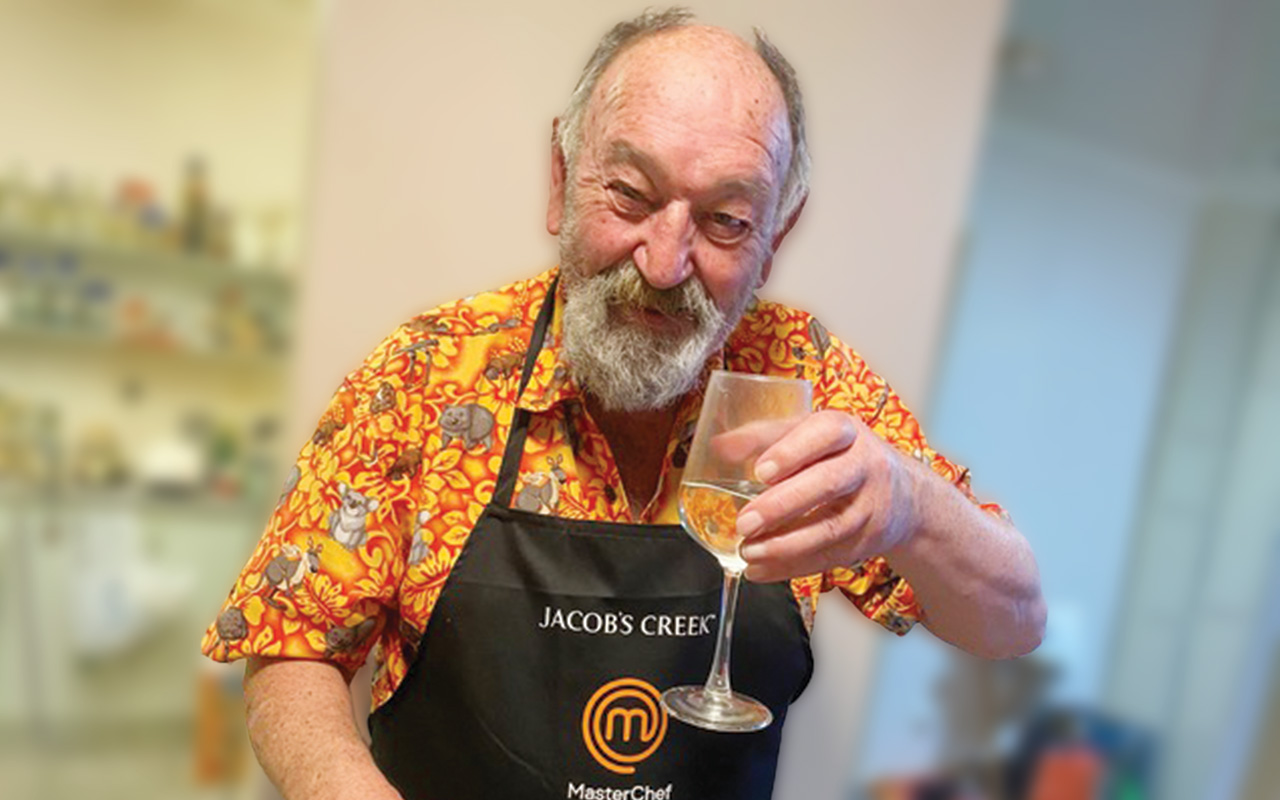
MY brother, Frank D’Arcy, had terminal cancer. He recently chose to end his life with Voluntary Assisted Dying (VAD).
Frank had treatment and tried the whole range of painkillers, but recently reached the stage where he could hardly walk and could not control his pain. His greatest fear was having to go into residential care.
Frank fought so hard to hold on to his independence, trying when he could to manage a short trip up the street on his electric scooter to buy cigarettes. He wanted to live – to have time with his children and grandchildren. He wanted to see the Swans win another grand final and to go fishing with his mates at the Anglers Club. But when it all became too much, he chose VAD to end his life.
Frank’s VAD journey began around two years ago. After the recurrence of the cancer, and the prognosis of between 18 months and three years, he wanted the option to end his life at a time of his choosing.
Frank made the appointment with the VAD navigator, and asked me, my other brother and one of his daughters to go with him. At the appointment, the VAD navigator had to wait for Frank to explain that he was there to access the VAD scheme: That’s part of the current legislation: practitioners cannot raise VAD as a choice.
The legislation has changed. From April 2027, practitioners will be able to raise VAD as one of the options for people with a terminal illness, along with treatment and palliative care.
Prior to accessing VAD, three doctors who were accredited as having completed VAD training had to confirm (1) that he was competent to make that decision; (2) that he did have a terminal illness; and (3) his prognosis was six months or less. The navigator identified the doctors and helped us to organise the appointments.
Fortunately, the GP clinic Frank attended had a VAD accredited doctor. The navigator then identified the oncologist. At first, this oncologist would not confirm the six months prognosis. It took another 12 months for the oncologist to confirm Frank’s eligibility for VAD.
Then the navigator arranged the third VAD doctor’s appointment, this time a home visit. Again the doctor had to wait until Frank explained that he wanted the choice of VAD. That doctor then talked with us about the process. He also explained the option of a medically assisted process if Frank reached the point of not being able to swallow but still had the competence to indicate his choice. After that visit Frank was approved for VAD.
A pharmacist came to his home with a plastic container that had a locked petty cash tin inside. The pharmacist explained the process again. He asked my brother to show that he could swallow in 30 seconds the liquid that the lethal powder would be mixed: “as if it was a tequila shot”.
And then came the day Frank chose to end his life. That day he sat with me, my other brother, his daughters and several grandchildren who had come to say goodbye.
My brother had organised the date and format of his wake the following week, and also what would happen to his body. He was in control of not only his death but also the arrangements for after his death.
He began the process by taking the anti-nausea and relaxant medication. An hour later, when the liquid was poured into the jar with the lethal powder, he shook it as if it was maracas. He asked us all to do the same. After he took the medication, sitting up in bed, he kept talking, telling us how much he loved us all, and slowly drifted off.
I’ve witnessed other deaths: they were hard. They had long periods with that death rattle breathing which is so painful to hear – when you wait every time the breathing stops for a few seconds to see if it will start again. Then finally it doesn’t and that’s the end.
With Frank, that did not happen. He simply lay back, closed his eyes and after a little time his breathing stopped. He died in the manner he chose.
The VAD process was reasonably simple for Frank. However, I have learnt that there are obstacles. For example, there is no access to Telehealth for people who are unable to get to a doctor’s appointment. Some hospitals and aged care homes do not allow people to access VAD on their premises.
The changes to the legislation that will be introduced in April 2027 require practitioners who object to VAD to provide a patient with minimum baseline information and advise them on how to find an assisting provider. This will help more people to have control in the manner in which they both live with a terminal illness and time their death.
First published in the Mornington News – 2 June 2026
